Seventh Grade Teacher: A Designer’s Embroidery Review
As a designer who has spent countless hours digitizing and reviewing patterns for real-world application, I approach every new file with a critical eye. It is not enough for a design to look good on a screen; it must translate flawlessly into thread and fabric. Today, I am evaluating Seventh Grade Teacher, a digital asset that bridges the gap between simple graphics and functional embroidery art. This review is written for fellow embroidery designers, Etsy sellers, and craft business owners who need to know if this design holds up under the needle.
First Impressions and Visual Personality
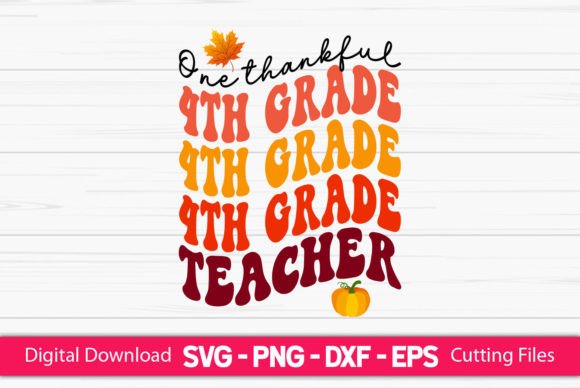
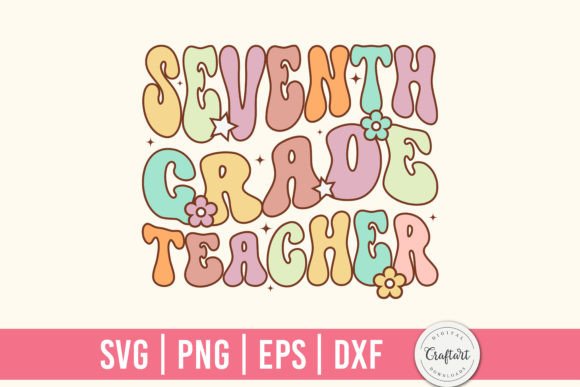
The first thing I noticed about Seventh Grade Teacher is its clean, assertive layout. In the world of educator-themed crafts, designs often fall into two traps: they are either overly childish or excessively complex. This design strikes a balanced middle ground. The typography suggests a modern, professional aesthetic that appeals to middle school educators who want to celebrate their role without resorting to cartoonish imagery.
From a Graphics perspective, the lines are crisp. For an embroidery project, this is crucial. Clean lines in the source file usually indicate that the digitizer has prioritized stitch path efficiency. The mood created is one of pride and professionalism. It feels appropriate for a teacher who manages the chaotic transition years of seventh grade with patience and style. When I visualize this stitched out, I see it working best as a statement piece rather than a subtle accent.
Real-World Application: The Custom Tote Bag Scenario
To truly test the viability of Seventh Grade Teacher, I imagined a specific client request: a custom end-of-year gift for a favorite teacher. The client wanted a durable, reusable tote bag that could carry books and grading papers. This is a classic use case for a tote bag design.
In this scenario, the design needs to be large enough to be legible from a distance but compact enough to fit within a standard hoop. The layout of Seventh Grade Teacher lends itself well to a 5x7 or 6x10 hoop size. If you are using a machine embroidery design for a tote, you must consider the fabric texture. Canvas totes have a weave that can swallow small details. Because this design appears to rely on strong shapes and clear lettering, it should maintain its integrity even on textured fabrics. However, I would recommend using a cut-away stabilizer to prevent the weight of the stitching from distorting the bag’s shape over time.
Performance on Apparel and Stretchy Fabrics
Beyond totes, custom apparel is a huge market for this type of design. Imagine stitching this onto a crewneck sweatshirt or a structured cap. Here, the technical aspects of the embroidery file become paramount.
For a sweatshirt embroidery project, the fabric is thick and fuzzy. If the design relies too heavily on fine running stitch details, they may get lost in the fleece. Ideally, this design should utilize a combination of satin stitch for borders and text, and perhaps a light fill stitch for any graphical elements. Satin stitches provide a raised, glossy look that pops against matte cotton blends.
If you are applying this to a cap, you are dealing with a curved surface and multiple layers of fabric. The stitch density becomes a critical factor. High-density stitching on a cap can cause puckering or make the hat stiff and uncomfortable. As a reviewer, I advise checking the density settings in your embroidery software. If the file is provided as an SVG or PNG for cutting machines, as noted in the product description, you will need to ensure your digitizing software converts these paths into efficient embroidery stitches that respect the curvature of the cap.
Navigating Technical Challenges
While Seventh Grade Teacher has strong visual appeal, there are areas where caution is required. Any design involving text must be scrutinized for legibility at smaller sizes. If you attempt to shrink this design for a baby embroidery item, such as a onesie or a small bib, the letters may merge. Always test the design on scrap fabric before committing to the final product.
Another consideration is color contrast. On dark fabrics, light thread colors are essential for visibility. However, if the design includes intricate internal details, using too many thread colors can increase production time and cost. For a small shop product, efficiency is key. I recommend testing the design in a monochrome palette first. If it reads well in black and white, it will likely succeed in color. This also helps in creating printable mockup assets for your online store, allowing customers to visualize the design without the distraction of complex color schemes.
Commercial Viability for Etsy Sellers
For Etsy sellers and creative entrepreneurs, the value of a design lies in its versatility and marketability. Teacher appreciation gifts are a year-round niche, with spikes during holidays and the end of the school year. A design like Seventh Grade Teacher fits perfectly into this category. It allows for personalization, which is a major driver of sales in the handmade product market.
When listing this as a finished product, clarity in your product photos is vital. Show the design on various items: a canvas tote, a denim jacket, and a kitchen towel. This demonstrates the design’s adaptability. Since the product description mentions it is a digital file for cutting machines (SVG, PNG, DXF, EPS), it is important to clarify your licensing terms. Are you selling the physical embroidered item, or are you selling the digital file for others to use? If you are selling the physical item, ensure you have the commercial rights to use the graphic in your craft business. If you are selling the digital file, ensure your customers understand that they need to digitize it for embroidery if it is not already in a native embroidery format like PES or DST.
Practical Designer Notes
Before you load Seventh Grade Teacher into your machine, keep these practical tips in mind:
- Test on Scrap Fabric: Always run a test stitch-out on the same type of fabric you intend to use for the final product. This reveals issues with tension and density.
- Check Stabilizer Choice: Use a tear-away stabilizer for woven fabrics like cotton totes, and a cut-away for knit fabrics like sweatshirts to provide lasting support.
- Verify Hoop Size: Confirm that the design dimensions fit comfortably within your hoop, leaving at least half an inch of margin around the edges.
- Inspect Small Details: Zoom in on the digital file. If there are tiny gaps or overlapping lines, fix them in your editing software to prevent thread breaks or bird nests.
- Contrast is Key: Choose thread colors that stand out against the fabric. A dark thread on a dark shirt will render the design invisible.
Final Verdict
Seventh Grade Teacher is a solid addition to any designer’s library of educator-themed assets. Its strength lies in its clear, professional aesthetic that avoids clichés. For commercial embroidery projects, it offers a reliable template that can be adapted for various products, from embroidered patches to large wall hangings.
However, success depends on execution. The designer must pay attention to stitch density, fabric choice, and stabilizer selection. By treating this digital embroidery file with the technical respect it deserves, you can create high-quality, profitable items that resonate with teachers and gift-givers alike. Whether you are a hobbyist making a personalized gift or a boutique owner expanding your design assets, this design offers a practical, stylish solution for celebrating the profession.