Reviewing One Thankful 4th Grade Teacher for Embroidery
As a designer who spends more time staring at stitch simulations than I care to admit, I have learned that not every digital file translates well to thread. We see thousands of design assets floating around the internet, but only a few survive the transition from screen to fabric. Recently, I pulled up One Thankful 4th Grade Teacher to evaluate its potential for a upcoming batch of custom orders. This isn’t just about whether the lines are clean; it is about whether the design holds up under the needle and meets the expectations of a discerning customer.
First Impressions and Visual Personality
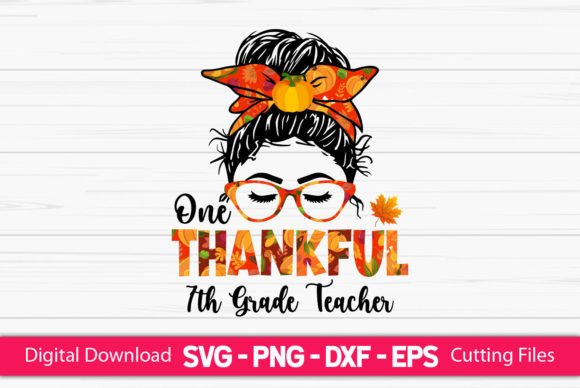
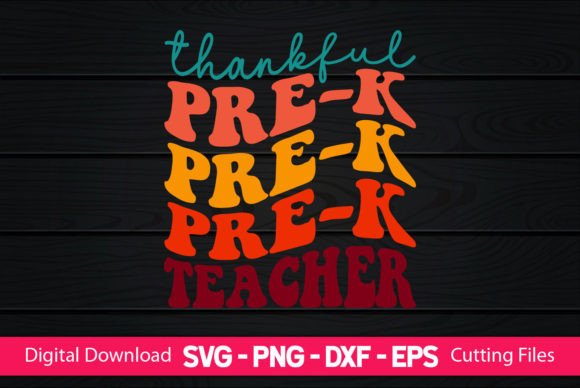
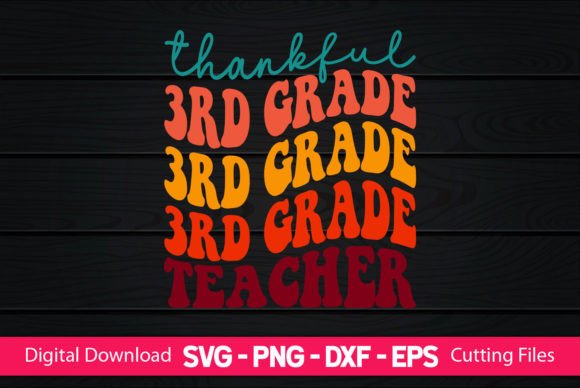
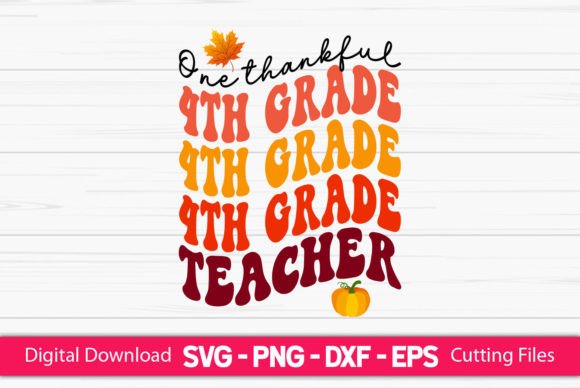
The first thing that strikes you about One Thankful 4th Grade Teacher is its inherent warmth. It does not scream for attention with aggressive fonts or chaotic imagery. Instead, it offers a balanced, appreciative tone that fits perfectly within the Crafts and education niche. The layout suggests a design meant to be read clearly, which is crucial when you are working with text-heavy motifs. For embroidery, clarity is king. If the letters are too close together or the decorative elements are too intricate, the thread will merge, creating a muddy mess rather than a crisp message.
In terms of mood, this design feels grounded and sincere. It avoids the overly cutesy aesthetic that can sometimes alienate older students or professional educators, leaning instead toward a respectful acknowledgment of the teacher’s role. This makes it versatile. It is not just for a child’s project; it is suitable for a faculty lounge gift, a retirement present, or an end-of-year appreciation token. The visual personality is professional yet approachable, a difficult balance to strike in Graphics intended for textile application.
Real-World Application: The Tote Bag Test
To truly understand how One Thankful 4th Grade Teacher performs, I imagined a specific real-life scenario. A local parent group wanted to create personalized gifts for their fourth-grade teaching team. They chose heavy canvas tote bags as the base. This is a common request for Etsy sellers and small shop product creators because tote bags are practical, durable, and offer a large, flat surface for stitching.
When placing this design on a tote, the scale becomes critical. Because the design likely contains specific lettering for "4th Grade," shrinking it too much would render the text illegible. Conversely, blowing it up too large might exceed standard hoop limitations or require excessive stitching time. In my mental simulation, I placed the design centrally on the bag. The result was a clean, professional handmade product that looked like it belonged in a boutique rather than a quick craft fair stall. The simplicity of the design allows the quality of the stitching to shine, which builds customer trust and enhances the perceived value of the finished product.
Fabric Considerations and Stitching Clarity
One of the biggest challenges in commercial embroidery is adapting a single design to various fabric textures. One Thankful 4th Grade Teacher appears to rely on clear lines and potentially solid fills. On a smooth cotton twill or a polyester blend, this design should stitch out beautifully. The thread colors you choose will dictate the final impact. A classic navy thread on a cream bag offers timeless elegance, while brighter school colors might appeal more to younger demographics.
However, caution is needed when moving to textured fabrics like terry cloth towels or fuzzy fleece sweatshirts. If the design includes fine details or thin running stitch outlines, they may get lost in the pile of the fabric. In such cases, using a topping stabilizer is non-negotiable. For sweatshirt embroidery, I would recommend testing the design on a scrap piece first to ensure the stitch density does not cause the fabric to pucker. Heavy density on stretchy materials can lead to distortion, ruining the look of the custom apparel.
Navigating Technical Constraints
While the aesthetic appeal is strong, we must address the technical realities. The product description notes that One Thankful 4th Grade Teacher is available as an SVG, PNG, DXF, and EPS. These are primarily vector and raster formats used for cutting machines like Cricut and Silhouette, or for printing. This is a crucial distinction for embroidery professionals. If you are planning to use this as a machine embroidery design, you must ensure you have the correct embroidery file formats (such as PES, DST, or JEF) or use software to convert the vector paths into stitches.
If you are converting this yourself, pay close attention to the hoop size. Text designs often require a larger hoop to maintain legibility without breaking the words into multiple sections. Additionally, check the license terms. Just because a file is labeled for cutting machines does not automatically grant rights for commercial embroidery sales. Always verify whether the creator allows for commercial embroidery use before listing items on your Etsy seller platform or selling at local markets.
Enhancing Product Value and Brand Consistency
For creative entrepreneurs, consistency is key to building a recognizable brand. One Thankful 4th Grade Teacher fits well into a broader collection of educational appreciation designs. By using a consistent style across your design assets, you create a cohesive look that customers begin to associate with your quality. Whether you are creating an embroidered patch for a backpack or a detailed tote bag design for a gift basket, the professionalism of the underlying graphic dictates the success of the final item.
This design also works exceptionally well for personalized gift markets. Adding a teacher’s name below the main motif can increase the perceived value significantly. However, ensure that any added text complements the original font style. Clashing fonts can detract from the visual appeal and make the product look amateurish. Keep the additional elements simple to let the primary message remain the focal point.
Practical Designer Notes for Best Results
Before you commit to a full production run, here are some practical steps to ensure success with One Thankful 4th Grade Teacher:
- Test on Scrap Fabric: Always stitch a sample on the same material you intend to use for the final product. This reveals issues with tension, density, and color contrast.
- Check Thread Contrast: Ensure your thread color stands out against the fabric. Low contrast can make the design disappear, especially from a distance.
- Review Stitch Density: If converting from SVG, adjust the density to suit the fabric. Too dense, and the fabric puckers; too sparse, and the background shows through.
- Confirm Hoop Size: Measure the design dimensions against your machine’s maximum hoop area to avoid resizing errors.
- Inspect Small Details: Zoom in on the digital file to check for tiny gaps or overlapping lines that could cause thread breaks or nesting.
- Use Proper Stabilizer: Match your stabilizer to the fabric weight. Cut-away stabilizers are often best for stretchy knits, while tear-away works for woven cottons.
- Verify Licensing: Double-check the usage rights for commercial sales to protect your craft business from legal issues.
In conclusion, One Thankful 4th Grade Teacher is a solid candidate for educational-themed projects. Its strength lies in its clear messaging and versatile aesthetic. By paying attention to fabric choice, stitch settings, and licensing details, you can transform this digital file into a high-quality embroidery project that delights recipients and boosts your reputation as a skilled maker. Whether for holiday embroidery gifts or year-round small business merchandise, this design offers a reliable foundation for creative expression.