Retro 100 Days of Loving School: A Designer’s Review
As an embroidery designer who has spent countless hours digitizing and stitching thousands of designs, I have learned that not every digital embroidery file translates well from screen to fabric. Some look crisp on a monitor but turn into a tangled mess of thread breaks and puckering on the hoop. That is why I approach new releases with a critical eye, looking for practical utility rather than just aesthetic appeal. Today, I am taking a close look at Retro 100 Days of Loving School, a design that promises to bring a nostalgic, cheerful vibe to educational milestones. This piece falls squarely into the Crafts category, specifically under Graphics, but its real value lies in how it performs as a functional machine embroidery design for real-world projects.
First Impressions and Visual Personality
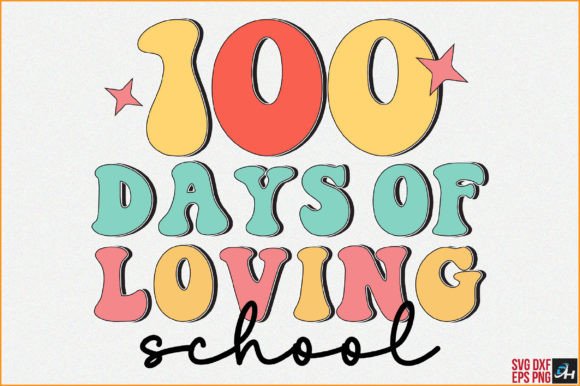
The moment I loaded the preview for Retro 100 Days of Loving School, the mood was immediately clear. It captures that specific, warm nostalgia associated with mid-century school aesthetics—think chunky fonts, rounded edges, and a playful, welcoming energy. For those of us creating handmade products for the back-to-school season or celebrating the 100th day of kindergarten, this visual personality is gold. The layout feels balanced, avoiding the cluttered look that plagues many themed designs. It does not scream for attention with excessive detail; instead, it relies on strong shapes and clear typography.
From a design perspective, the "retro" element suggests a need for boldness. In embroidery, this usually translates well because bold lines are easier to stitch cleanly than fine, intricate details. The design appears to favor clarity, which is essential when you are working with thread colors that need to pop against various fabric backgrounds. It feels like a design meant to be seen and appreciated from a distance, making it ideal for apparel and larger home decor items.
Real-World Application: The Sweatshirt Test
To truly evaluate a design, you have to imagine it in use. I pictured this design on a heather grey youth-sized sweatshirt, a staple item for any Etsy seller or small shop product line during the spring semester. The Retro 100 Days of Loving School motif sits comfortably on the chest or slightly off-center for a modern look. Because the design likely utilizes a mix of fill stitch for solid areas and potentially satin stitch for borders or text outlines, it would provide a nice tactile contrast on the soft fleece fabric.
I also considered its use on a canvas tote bag design. Parents love durable, reusable bags for carrying library books or extra clothes. Stitching this graphic onto a natural cotton canvas would create a charming, boutique-quality item. The retro style pairs beautifully with earthy thread tones like mustard yellow, burnt orange, or teal, allowing for creative customization. As a personalized gift, adding a child’s name beneath the main graphic could elevate the perceived value, turning a standard item into a cherished keepsake.
Versatility Across Product Lines
Beyond apparel, this design has legs in the home decor sector. Imagine it stitched onto a pillow cover for a classroom reading nook or embroidered on a kitchen towel for a teacher’s appreciation gift. The versatility of embroidery project assets like this allows creative entrepreneurs to maximize their inventory. You can use the same design assets to create a cohesive collection that includes custom apparel, accessories, and home goods. This consistency helps build brand recognition for craft business owners who want to establish a distinct visual identity.
Technical Considerations and Stitching Reality
While the aesthetic is promising, a professional reviewer must address the technical realities. Since the product description notes this is an SVG shared for previews and mentions "No phy" (implying no physical item is shipped), we must assume we are dealing with digital files that require careful handling. Before committing to a final finished product, there are several factors to consider.
Stitch density is the first concern. Retro designs often feature blocky letters or shapes. If the digitizer has packed too many stitches into these areas, the fabric may pucker, especially on lighter materials. I always recommend testing the design on scrap fabric first. Check how the stabilizer interacts with the material. For stretchy fabrics like t-shirts, a cut-away stabilizer is non-negotiable to prevent distortion. For woven fabrics like tote bags, a tear-away might suffice, but hooping tension must be precise.
Another critical aspect is hoop size. Ensure the design fits comfortably within your machine’s maximum hoop area without hitting the edges. If you are planning to use this on curved surfaces like caps, you need to verify if the design has been optimized for cap frames. Standard flat embroidery files can distort on curved hats unless they are specifically digitized for that purpose. If the file is not labeled as a cap design, stick to flat items like aprons, pillow covers, or tea towels.
Navigating Fabric and Color Challenges
Color contrast is vital for readability. The retro theme often employs muted or vintage palettes. However, if you stitch light threads on dark fabric, you may lose definition. Always test your thread colors against your chosen fabric. A printable mockup can help visualize this, but nothing beats a physical test stitch. Pay attention to small details. If the design includes tiny elements, they may not stitch out cleanly on textured fabrics like terry cloth or waffle weave. In such cases, simplifying the color count or choosing a smoother fabric like broadcloth will yield better results.
For commercial embroidery purposes, durability is key. Items like school bags and sweatshirts undergo frequent washing. Ensure that any applique design elements are securely tacked down and that satin columns are not too wide, which can lead to snagging. If the design uses running stitch for detailing, make sure it is dense enough to hold up to wear and tear.
Business Value and Customer Appeal
From a business standpoint, Retro 100 Days of Loving School taps into a recurring annual market. The 100th day of school is a significant milestone in elementary education, driving demand for themed clothing and gifts. By offering high-quality, well-stitched items featuring this design, handmade shop owners can capture this seasonal traffic. The nostalgic appeal also resonates with parents and teachers who appreciate the whimsical, gentle aesthetic over loud, cartoonish alternatives.
However, transparency is crucial. Since the product description states, "I m sharing previews as examples of how you can use this really adorable design over and over again for your home business or personal use," it is imperative to confirm the licensing terms. Are you allowed to sell finished physical items? Can you use the digital embroidery file in mass production? Always clarify these points with the creator before listing items for sale. Protecting your craft business from copyright issues is just as important as the quality of your stitching.
Final Verdict for Makers
In conclusion, Retro 100 Days of Loving School offers a charming, versatile option for designers looking to expand their educational-themed portfolio. Its strength lies in its clear, retro-inspired visuals that translate well to various fabrics and products. However, success depends on diligent preparation. Test your tension, choose the right stabilizer, and respect the limitations of your machine and materials. When executed with care, this design can become a standout piece in your Etsy listings or craft fair displays, bringing joy to customers and value to your brand. Remember, the best embroidery file is one that not only looks good on screen but stands up to the rigors of real life.